
The GlobalThinkingApp for Travel Agents
You send a detailed proposal for a two-week European itinerary to a potential client. They respond enthusiastically, asking a few clarifying questions. You answer immediately. Then… silence.
Three days pass. You make a mental note to follow up, but get pulled into finalising bookings for current clients. A week goes by. You finally send a follow-up email. No response. Two weeks later, you see on social media that they booked their trip through another agency.
The lost booking wasn’t due to price, service quality, or expertise. It was lost in the gap between your initial proposal and consistent follow-up—a gap that exists because you were busy actually serving clients rather than chasing leads.
For independent travel agents and small travel agencies, this scenario repeats constantly. The administrative work of managing leads, following up on proposals, sending pre-trip information, and requesting post-trip reviews competes directly with the revenue-generating work of designing itineraries and serving clients.
This is the operational reality that makes marketing automation particularly valuable for travel agencies.
The Unique Operational Challenges Travel Agencies Face
Travel agencies operate differently than tour operators or hotels. Understanding these distinctions clarifies why generic CRM systems often fall short:
Longer Sales Cycles
Unlike booking a single tour or hotel room, planning custom travel often involves weeks or months of communication. Initial enquiry, proposal development, revision discussions, finalizing details, payment processing, pre-trip preparation, and post-trip follow-up span extended timeframes.
During this cycle, leads require multiple touchpoints to stay engaged. Miss too many follow-ups, and prospects either book elsewhere or abandon travel plans entirely.
High Lead Volume with Variable Conversion
Travel agencies often receive numerous enquiries, but conversion rates vary dramatically. Someone casually researching a future trip differs from someone with confirmed dates and budget ready to book.
Without systems to qualify leads and prioritize follow-up, agents waste time on low-intent enquiries while high-intent prospects slip through the cracks.
Multiple Moving Parts Per Booking
A single client booking might involve flights, multiple hotels, ground transportation, activities, travel insurance, and dining reservations. Coordinating these elements requires tracking numerous suppliers, confirmation numbers, and deadlines.
Manual management through email folders and spreadsheets becomes unsustainable as booking volume increases.
Client Relationship Management Across Years
Travel agents don’t just serve one-time transactions. The most successful agencies build relationships with clients who book multiple trips over years.
Maintaining these relationships—remembering preferences, celebrating anniversaries, suggesting new destinations—requires systematic processes, not just good memory.
Administrative Burden Limiting Growth
Most independent travel agents and small agencies hit a ceiling where they can’t take on more clients without hiring additional staff. But the revenue per booking often doesn’t justify full-time employees.
The constraint isn’t travel expertise or market demand—it’s administrative capacity to handle the volume of communication, coordination, and follow-up each client requires.
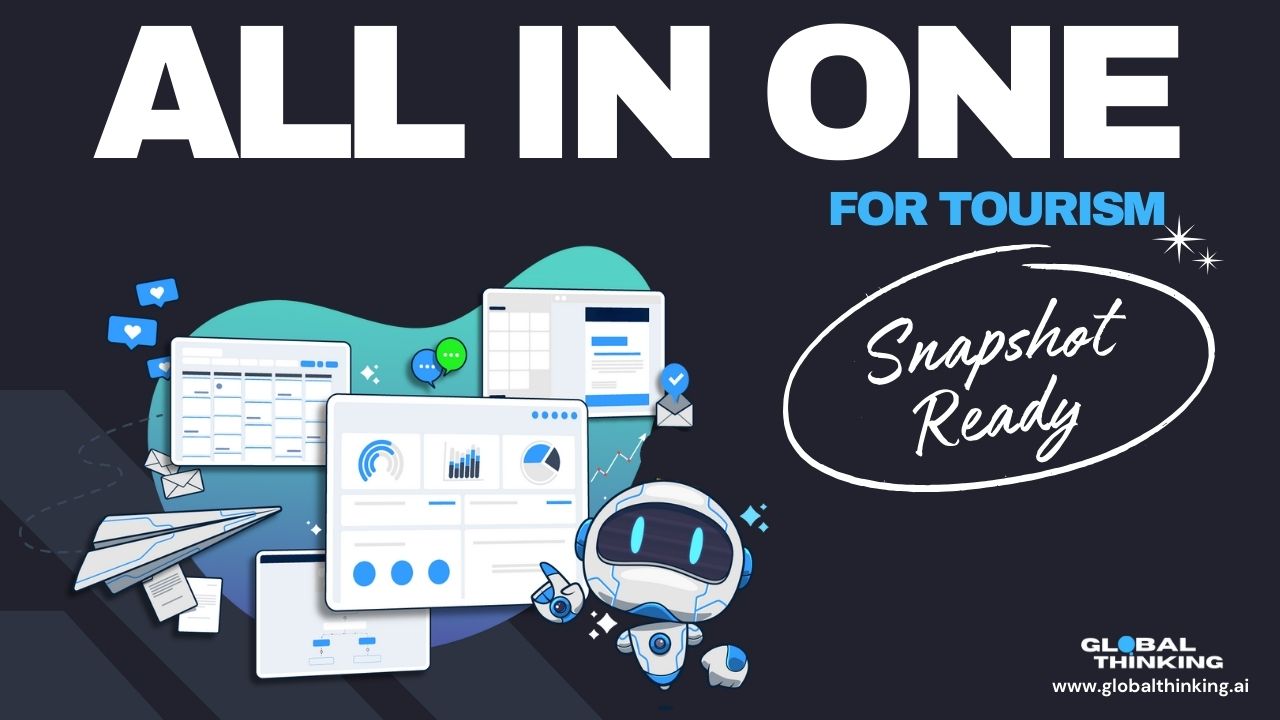
What Marketing Automation Actually Means for Travel Agencies
Marketing automation for travel agencies doesn’t mean replacing personal service with robots. It means systematising the repetitive, time-consuming tasks that prevent agents from focusing on what they do best: designing exceptional travel experiences.
Automated Lead Nurturing
When someone enquires about travel planning services, automated sequences can:
- Send immediate acknowledgment that you received their enquiry
- Provide information about your services and process
- Share relevant resources (destination guides, sample itineraries, client testimonials)
- Schedule follow-up touchpoints at appropriate intervals
These sequences keep leads warm during the period between initial contact and serious booking conversations, without requiring manual effort for every enquiry.
Proposal Follow-Up Sequences
After sending a proposal, automated workflows can:
- Send a follow-up email if no response within 3-5 days
- Provide additional information addressing common questions
- Offer to schedule a call to discuss the proposal
- Create reminders for your team to make personal outreach if automated sequences don’t generate response
This ensures no proposal falls through the cracks while maintaining professional persistence without being pushy.
Booking Confirmation and Pre-Trip Automation
Once a booking is confirmed, automated workflows handle:
- Payment confirmations and receipts
- Pre-trip countdown emails with preparation tips
- Document delivery (itineraries, confirmations, travel insurance details)
- Reminders about important deadlines (passport validity, visa applications)
- Final pre-departure check-ins ensuring clients have everything needed
These touchpoints happen automatically at appropriate intervals, providing excellent client service without manual scheduling.
Post-Trip Engagement
After clients return, automated sequences:
- Send welcome home messages
- Request feedback and testimonials
- Deliver review requests for platforms that matter to your business
- Begin relationship nurturing for future travel planning
This transforms one-time bookings into ongoing relationships without requiring agents to manually track when each client returns and remember to follow up.
Core Automation Workflows Travel Agencies Implement
Different workflows serve different stages of the client journey:
Lead Capture and Qualification Workflows
When potential clients discover your agency through your website, referrals, or advertising, the first interaction sets the tone.
Initial contact workflows immediately acknowledge enquiries and gather qualifying information:
- Travel timeframe (planning for next month vs. next year)
- Destination interests or specific trip ideas
- Budget range
- Number of travelers
- What prompted them to reach out (referral, website, social media)
This information gets captured in your CRM, creating a lead record with context about their needs rather than just a name and email address.
Lead qualification sequences continue engaging based on their timeline. Someone planning travel for next month enters a different workflow than someone exploring options for next year. Timing matters in travel planning, and automated workflows can adjust accordingly.
Proposal and Quote Management Workflows
After you’ve created a custom proposal or quote, workflows manage the follow-up process:
Immediate proposal delivery sends the quote with context about what’s included, next steps, and how to ask questions.
First follow-up (3-4 days later if no response) provides additional information that might address hesitations: “I wanted to check if you had any questions about the itinerary I sent over. Many clients at this stage wonder about…”
Second follow-up (7 days later if still no response) might offer to schedule a call to discuss in detail or provide testimonials from clients who’ve done similar trips.
Final follow-up (14 days later) acknowledges that timing might not be right but keeps the door open: “I know travel planning involves many moving parts. If now isn’t the right time but you’d like to revisit this itinerary in the future, just let me know.”
These sequences run automatically while you focus on clients ready to book, yet ensure you’re maintaining professional contact with prospects who need more time.
Payment and Booking Management Workflows
Travel bookings often involve deposit payments and installment schedules. Automated workflows manage:
Deposit reminders before deadlines, ensuring clients don’t lose their bookings due to missed payment dates.
Payment confirmations immediately acknowledge when payments are received, providing receipts and updating clients on what’s been confirmed.
Final payment reminders send at appropriate intervals before final deadlines, with clear instructions on how to complete payment.
Booking confirmation delivery sends comprehensive confirmation documents once final payments clear, including all supplier confirmations, itinerary details, and next steps.
This administrative workflow ensures nothing falls through the cracks during the booking process.
Pre-Trip Preparation Workflows
The weeks leading up to departure involve significant client communication. Automated workflows deliver:
60 days before departure: General preparation reminders (checking passport validity, considering travel insurance if not already purchased, visa requirements)
30 days before: Specific packing suggestions, weather information for destinations, any recommended reservations or tickets to book independently
14 days before: Final itinerary review, important contact numbers, ground transportation details, hotel check-in information
48 hours before: Final check-in ensuring clients have everything needed, last-minute tips, emergency contact information
These touchpoints provide excellent service while requiring no manual effort once the workflow is configured.
Post-Trip Follow-Up and Relationship Building Workflows
After clients return, the relationship shouldn’t end:
Welcome home workflow (2-3 days after return):
- Thank them for trusting you with their travel planning
- Ask about their experience
- Request feedback on what worked well and what could improve
Review and testimonial requests (5-7 days after return):
- Request reviews on Google, Facebook, or relevant platforms
- Ask for testimonials you can use in marketing
- Request permission to share photos if appropriate
Relationship nurturing (ongoing):
- Birthday and anniversary acknowledgments
- Destination recommendations based on their interests
- Special offers for repeat clients
- Seasonal travel ideas
These workflows transform one-time transactions into multi-year client relationships.
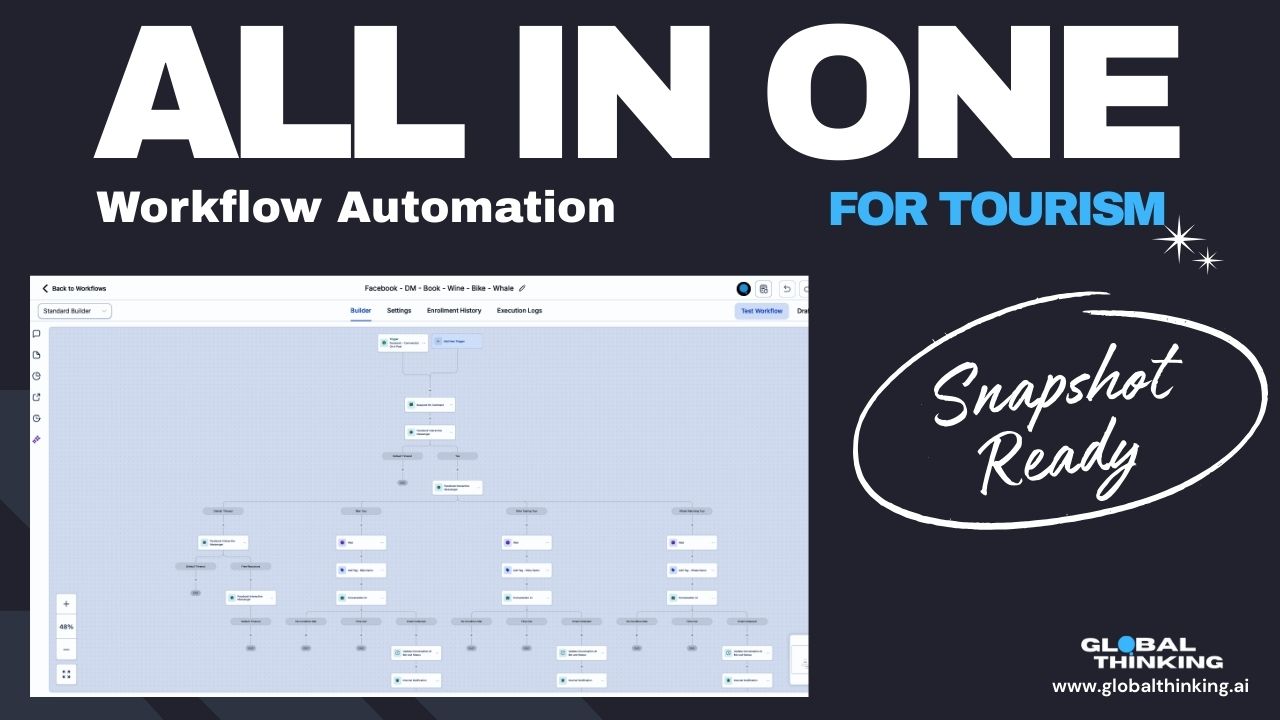
CRM Structure: Organising Client Information Effectively
Automation works best when built on solid CRM foundations. For travel agencies, this means organising client information in ways that support both immediate bookings and long-term relationships:
Client Pipeline Management
A visual pipeline shows where each lead or client sits in your process:
- New Enquiry – Initial contact received, not yet qualified
- Qualified Lead – Serious interest, specific travel plans
- Proposal Sent – Custom itinerary delivered, awaiting decision
- Negotiation – Discussing modifications or details
- Deposit Received – Booking initiated, not yet fully paid
- Fully Booked – Trip confirmed and paid
- Trip Completed – Clients have returned
- Past Client – Relationship maintenance for future bookings
Moving clients through these stages triggers appropriate automated workflows while giving you visibility into where each relationship stands.
Custom Fields and Tags
Beyond basic contact information, effective travel agency CRMs track:
Travel preferences and history:
- Destinations previously visited
- Preferred travel style (luxury, adventure, cultural, beach, etc.)
- Budget comfort levels
- Special interests (food, wine, wildlife, history, photography)
- Travel companions (solo, couples, family, groups)
Important dates:
- Birthdays and anniversaries
- Upcoming trip departure dates
- When past trips occurred
Communication preferences:
- Preferred contact method (email, phone, text)
- Best times to reach them
- How they found your agency
This information enables personalization in automated communications and helps you provide better service.
Activity and Communication Tracking
All interactions—emails sent, calls made, meetings held, proposals delivered—should be logged automatically or easily within the CRM.
When you’re following up with a client, seeing the complete communication history prevents repeating yourself and provides context for conversations.
Lead Source Tracking and Marketing Attribution
Understanding where clients come from helps you invest marketing efforts effectively:
Referral tracking – Which past clients are sending you new business? This information supports referral reward programs and identifies your best advocates.
Website sources – Are enquiries coming from blog posts, your services page, destination guides, or other content? This reveals what content drives leads.
Social media attribution – Which platforms drive the most qualified leads? This informs where to focus social media efforts.
Advertising performance – If running paid ads, which campaigns generate leads that actually convert to bookings?
Automation platforms like GoHighLevel track lead sources automatically, creating data that informs marketing decisions.
Integration with Travel-Specific Tools
While GoHighLevel provides comprehensive CRM and automation capabilities, travel agencies typically use specialized tools for certain functions:
Booking and itinerary software – Many agencies use platforms for creating itineraries and managing supplier relationships. The CRM should integrate with or complement these tools, not replace them.
Accounting and payment processing – Financial management often happens in dedicated accounting software. CRM systems should track payment status and send reminders, while detailed financial records live in accounting platforms.
Supplier portals – Relationships with airlines, hotels, and tour operators often involve their specific booking systems. The CRM provides client relationship management while supplier tools handle booking logistics.
The CRM serves as the central client relationship hub while connecting with specialized tools where needed.
Practical Implementation: Where to Start
Building comprehensive automation takes time. Most travel agencies find success starting with high-impact workflows:
Start with lead response automation. Immediate acknowledgment of new enquiries provides professional first impressions and captures lead information into your CRM. This single workflow often delivers noticeable improvement in lead conversion.
Add proposal follow-up next. Automating follow-up after sending quotes ensures no proposal goes unacknowledged while maintaining professional persistence.
Then implement post-booking workflows. Pre-trip preparation sequences and post-trip follow-up workflows improve client experience and generate testimonials without manual effort.
Finally, build long-term relationship nurturing. Ongoing communication with past clients for future bookings creates sustainable business growth.
Each workflow can be built, tested, and refined before adding the next, preventing overwhelm while creating incremental improvements.
Tourism AI Community Learning
Our weekly AI Business Mastermind is a FREE dedicated space for tourism professionals to collaborate on real-world AI challenges and build collective intelligence. Join us this week to share insights and take away practical solutions you can use immediately.

Common Mistakes Travel Agencies Make with Automation
Even with automation capabilities, certain approaches undermine effectiveness:
Over-Automating Personal Relationships
Travel planning is inherently personal. Automation should handle routine communication, not replace the human relationship that makes clients choose independent agencies over online booking platforms.
The goal is freeing time for meaningful client interactions, not eliminating human contact entirely.
Generic Messaging That Doesn’t Reflect Your Expertise
Automated emails using default templates feel robotic. Effective automation uses your voice, reflects your expertise, and sounds like something you would personally write.
Failing to Segment Communications
Sending the same message to someone planning luxury travel to the Maldives and someone organizing a budget backpacking trip to Southeast Asia demonstrates lack of attention. Segmentation based on travel style, budget, and interests ensures relevant communication.
Not Updating Workflows as Business Evolves
If you start specializing in certain destinations or shift your ideal client profile, workflows need updating. Automation requires ongoing attention, not just initial setup.
Neglecting to Monitor Performance
Tracking which automated emails get opened, which links get clicked, and which workflows actually generate bookings reveals what’s working and what needs adjustment.
How Different Agency Types Apply Automation
Implementation priorities vary by agency model:
Independent Travel Agents
Solo agents or very small teams benefit most from automation because administrative capacity is the primary growth constraint.
Priorities include:
- Lead response and qualification (capturing every opportunity)
- Proposal follow-up (ensuring persistence without manual tracking)
- Pre-trip preparation (providing excellent service without time burden)
- Relationship nurturing (maintaining past client connections for repeat business)
For independent agents, automation often means being able to serve twice as many clients without working longer hours.
Boutique Travel Agencies (2-10 Agents)
Small agencies use automation to create consistency across agents while building institutional knowledge:
- Standardized lead qualification ensures all agents gather similar information
- Consistent client communication maintains brand voice regardless of which agent handles the booking
- Shared CRM provides visibility into all client relationships, preventing duplicate outreach or missed opportunities
Automation helps small agencies operate with the professionalism of larger firms while maintaining boutique service quality.
Specialty Travel Agencies
Agencies focusing on specific niches (adventure travel, luxury travel, destination weddings, group tours) customize automation around their specialty:
- Content and resources shared in automated sequences reflect specific expertise
- Lead qualification questions focus on niche-specific criteria
- Segmentation enables highly personalized communication within the specialty
Specialty agencies leverage automation to demonstrate expertise and provide exceptional service in their chosen niche.
Measuring Automation Success
Unlike subjective marketing activities, automation provides clear performance metrics:
Lead response time – How quickly do new enquiries receive initial contact? Automation should deliver near-instant response.
Proposal-to-booking conversion rate – What percentage of proposals convert to bookings? Effective follow-up workflows should improve conversion over manual processes.
Client communication consistency – Are all clients receiving pre-trip preparation information and post-trip follow-up? Automation should achieve 100% consistency.
Time spent on administrative tasks – How much time do agents spend on routine communication versus client consultation and itinerary design? Automation should shift the balance toward revenue-generating activities.
Repeat client rate – What percentage of past clients book again within 1-2 years? Relationship nurturing workflows should increase repeat business.
These metrics inform optimisation and demonstrate automation’s business impact.
How GoHighLevel Supports Travel Agency Operations
Platforms like GoHighLevel provide infrastructure specifically suited to service-based businesses like travel agencies:
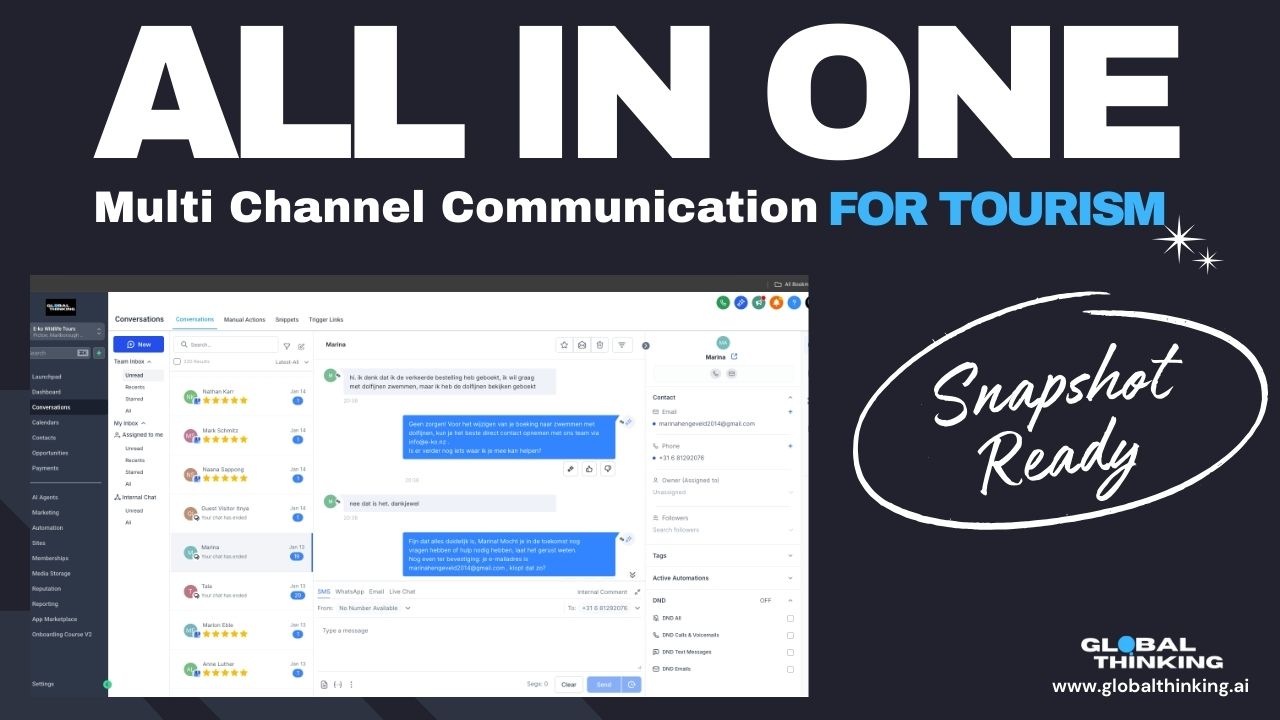
Unified inbox consolidates enquiries from website forms, email, SMS, WhatsApp, Facebook Messenger, and Instagram into a single interface, ensuring no lead gets missed across multiple channels.
Visual pipeline management shows exactly where each client sits in your process, from initial enquiry through booking completion and relationship nurturing.
Workflow automation enables sophisticated sequences triggered by specific actions (new lead, proposal sent, booking confirmed, trip completed), creating consistent client communication.
Custom fields and tagging allow tracking travel preferences, budget levels, destination interests, and relationship history that inform personalization.
Appointment scheduling integrates with calendars, enabling automated scheduling for consultation calls without back-and-forth email coordination.
Proposal and document delivery within automated workflows ensures clients receive detailed itineraries and confirmations at appropriate times.
Multi-channel communication supports email, SMS, and messaging platforms within the same system, meeting clients on their preferred channels.
The technical capabilities exist within the platform; effectiveness depends on proper configuration for travel agency workflows.

How GlobalThinking AI Implements Automation for Travel Agencies
Setting up automation software differs from configuring it for actual travel agency operations. GlobalThinking.ai’s approach focuses on:
Travel agency-specific workflow templates – Pre-built automation sequences designed for lead nurturing, proposal follow-up, booking management, and client relationship building in travel contexts.
CRM structure for travel operations – Pipeline stages, custom fields, and tagging systems that reflect how travel agencies actually manage client relationships.
Integration guidance – Connecting GoHighLevel with existing tools (itinerary software, accounting systems, booking platforms) to create cohesive operations.
Personalization frameworks – Ensuring automated communications reflect your agency’s voice and expertise rather than generic templates.
Ongoing optimisation – Regular review of workflow performance, conversion rates, and client feedback to refine automation effectiveness.
The GlobalThinkingApp provides automation capabilities with implementation designed specifically for how travel agencies acquire, serve, and retain clients.
The Strategic Impact: What Changes for Travel Agencies
Automation’s value accumulates over time rather than delivering overnight transformation:
Months 1-3: Immediate lead response and proposal follow-up create noticeable improvements in conversion rates. Clients comment on professional, timely communication.
Months 4-6: Pre-trip and post-trip automation reduces administrative burden, creating capacity to take on additional clients without longer working hours.
Months 7-12: Relationship nurturing workflows begin generating repeat bookings from past clients. The CRM contains comprehensive client histories enabling exceptional personalized service.
Year 2+: Systematic lead nurturing, proposal follow-up, and client relationship management create sustainable growth. The agency serves significantly more clients with the same team size.
Travel agencies that implement automation effectively don’t just save time on administrative tasks. They create scalable operations where growth isn’t constrained by administrative capacity, enabling focus on what independent agencies do best: designing exceptional travel experiences and building lasting client relationships.
The difference between manually managing every client touchpoint and having systematic automation determines whether an agency remains limited to a handful of bookings per month or scales to serve dozens of clients while maintaining service quality.
← Back to – The Tourism Growth Engine – Mastering GoHighLevel in the Travel Industry
Ready to implement marketing automation for your travel agency? GlobalThinking.ai specializes in GoHighLevel configuration for independent travel agents and boutique agencies through the GlobalThinkingApp platform.
Block "6849" not found
